The Anatomy of a Pour Spout: Understanding the Taper and the Air Vent

Most bar tools are obvious. Shakers mix, jiggers measure, and strainers filter. But one of the most important tools in any beverage operation is also one of the most overlooked: the pour spout.
A quality pour spout directly affects drink consistency, service speed, waste, and even customer satisfaction. Yet many business owners only notice the difference when something goes wrong — splashing, dripping, glugging, or inconsistent pours.
To understand why some spouts work perfectly and others fail quickly, you need to understand the two most important components: the taper and the air vent.
This guide breaks down the anatomy of a pour spout in simple terms so bar owners, restaurant managers, coffee shops, and soda shops can choose the right equipment for high‑volume service.
What Is a Pour Spout?
A pour spout is a bottle attachment that controls the rate at which liquid exits a container. It replaces the original cap and creates a smooth, predictable stream instead of an uncontrolled surge.
Pour spouts are used for:
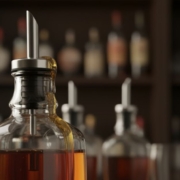
- Liquor bottles in bars
- Flavored syrups in coffee shops
- Juice bases in soda shops
- Sauces and mixers in restaurants
When designed properly, a pour spout becomes a portion‑control device, not just a convenience accessory.
The 3 Main Parts of a Professional Pour Spout
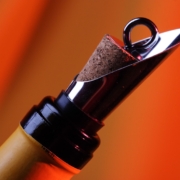
A commercial‑grade pour spout typically contains three working sections:
- The tapered spout (flow channel)
- The air vent tube
- The bottle seal (cork or ribbed collar)
Each part contributes to a smooth and accurate pour.
The Taper: Where Flow Control Happens
The taper is the long, narrow metal channel where liquid travels before leaving the bottle.
Why the Taper Matters
The taper determines flow rate — how quickly liquid exits the bottle.
Without a taper, liquid exits in a heavy surge. This causes the familiar “glugging” effect where liquid alternates between rushing out and stopping. That makes accurate pouring nearly impossible.
A properly engineered taper:
- Narrows gradually
- Maintains steady velocity
- Prevents splashing
- Produces a clean stream
In high‑volume service, bartenders rely on muscle memory when free‑pouring. The taper allows them to count a pour consistently (for example, a 4‑count pour). Without the correct taper shape, every count becomes inaccurate.
Wide vs. Narrow Tapers
Narrow Taper
- Slower, more controlled pours
- Ideal for expensive spirits or strong concentrates
Medium Taper (Most Common)
- Balanced speed and control
- Best for general bar and restaurant use
Wide Taper
- Faster pours
- Often used for juices, creamers, and high‑volume mixers
Wholesale stainless steel pour spouts from Pour Spouts are designed with calibrated tapers to maintain consistent flow across bottles.
The Air Vent: The Most Important Hidden Feature
If the taper controls the liquid, the air vent controls the physics.
The air vent is a small tube or hole that allows air to enter the bottle as liquid leaves it.
Why Bottles “Glug”
When liquid exits a sealed bottle without an air replacement path, a vacuum forms inside the container. The liquid pauses until air forces its way in, creating the stop‑start pouring effect known as glugging.
This causes:
- Splashing
- Overpouring
- Sticky counters
- Inconsistent drink strength
What the Air Vent Does
The vent equalizes pressure inside the bottle. As liquid flows out, air flows in at the same time.
This creates a continuous stream instead of an interrupted one.
Benefits include:
- Smooth pouring
- Accurate free‑pour counting
- Faster drink production
- Less mess behind the bar
A properly positioned air vent is what separates a professional pour spout from a cheap one.
How the Taper and Air Vent Work Together
The taper and the air vent are not independent features — they function as a system.
- The air vent stabilizes internal bottle pressure
- The taper regulates the liquid flow
- Together they produce a controlled stream
If either part is poorly designed, the entire spout fails to perform. A perfect taper with no vent still glugs. A vented spout with a poor taper still pours unpredictably.
This is why commercial beverage programs rely on professional‑grade pour spouts rather than basic plastic caps.
 The Bottle Seal (Why Fit Matters)
Even a perfectly designed spout won’t work if it doesn’t seal correctly.
Professional pour spouts use:
- Natural cork seals, or
- Ribbed food‑safe plastic collars
A tight seal prevents:
- Leaks
- Fruit flies
- Air gaps that disrupt flow
For restaurants and coffee shops, this also supports sanitation standards by reducing exposed bottle openings.
Why Cheap Pour Spouts Cause Operational Problems
Low‑quality spouts often have:
- Incorrect taper angles
- Weak venting
- Loose seals
- Thin metal construction
Operational impact:
- Overpouring increases product cost
- Drinks taste inconsistent
- Staff slow down during rushes
- Counters become sticky
Over time, these issues cost more than investing in durable wholesale pour spouts designed for daily service.
Applications Beyond Alcohol
Many businesses assume pour spouts are only for liquor. In reality, they are often more valuable for non‑alcoholic beverages.
Coffee shops: flavored syrups, creamers, cold brew concentrates
Soda shops: fruit bases, sweeteners, custom drink mixes
Restaurants: dressings, sauces, and batched mixers
Anywhere liquids are poured repeatedly, portion control improves speed and consistency.
Choosing the Right Pour Spout for Your Business
Look for these features:
- Stainless steel construction
- Vented design
- Consistent taper
- Secure seal
- Easy cleaning
Standardizing your bottles with matching spouts helps employees pour accurately without constant measuring.
FAQ
What does the air vent in a pour spout do?
It allows air into the bottle as liquid leaves, preventing vacuum formation and creating a smooth, steady pour.
Why does my bottle glug when pouring?
Glugging happens when air cannot enter the bottle fast enough to replace exiting liquid. A vented pour spout fixes this.
Do pour spouts affect portion control?
Yes. A consistent flow rate allows staff to accurately free‑pour by count, improving drink consistency and reducing waste.
Are pour spouts only for alcohol?
No. They are widely used for syrups, juices, sauces, and concentrates in coffee shops, soda shops, and restaurants.
How often should pour spouts be cleaned?
They should be rinsed daily and sanitized regularly to prevent buildup and maintain proper flow.





 –
–