From Oil to Wine: Understanding Different Types of Pour Spouts
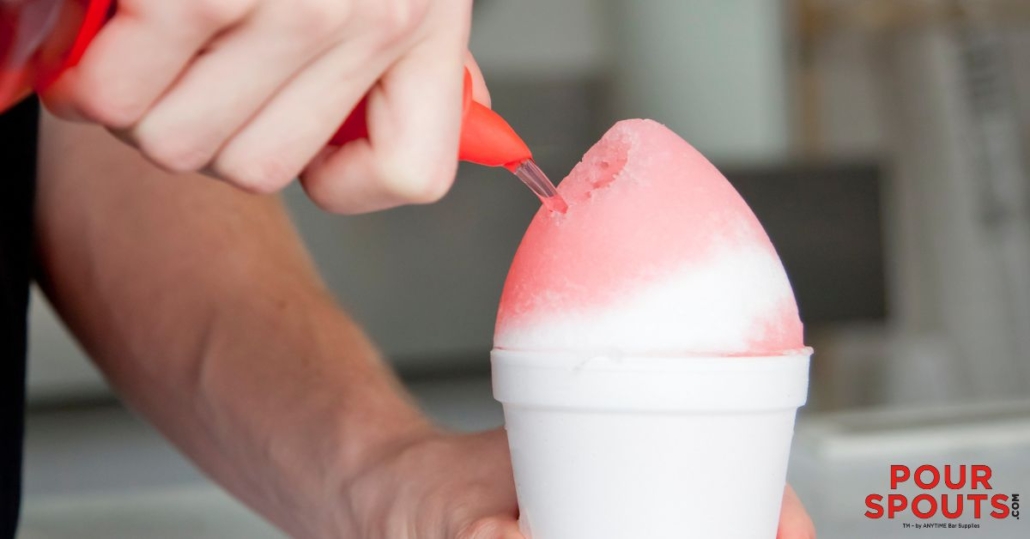
Ever had oil pour out way too fast and ruin your salad? Or found yourself impatiently shaking a bottle of wine just to get a few drops? Yeah, we’ve all been there. The unsung hero that can make or break your pouring experience is the pour spout. Whether you’re drizzling olive oil or decanting a fine red, the right pour spout matters more than you think. Let’s dive into the fascinating world of pour spouts—from the kitchen to the bar—and see how this small tool plays a big role.
What Exactly Is a Pour Spout?
A pour spout is a device, often attached to the mouth of a bottle, designed to control the flow of liquid. It helps reduce spills, enhances precision, and ensures a smooth, even pour. Think of it as cruise control for your bottles—consistency without the mess.
Why Pour Spouts Are More Important Than You Think
Most people don’t give a second thought to how they pour oil, syrup, or liquor. But if you’re into cooking, bartending, or wine tasting, the right pour spout can improve flavor control, minimize waste, and even keep bottles cleaner. Plus, no one likes dealing with gunky residue on the cap.
 Types of Pour Spouts Based on Use
Let’s break this down by purpose, because what works for a syrup bottle might be a disaster for a vintage Pinot Noir.
1. Oil Pour Spouts
Controlled Flow for Precision
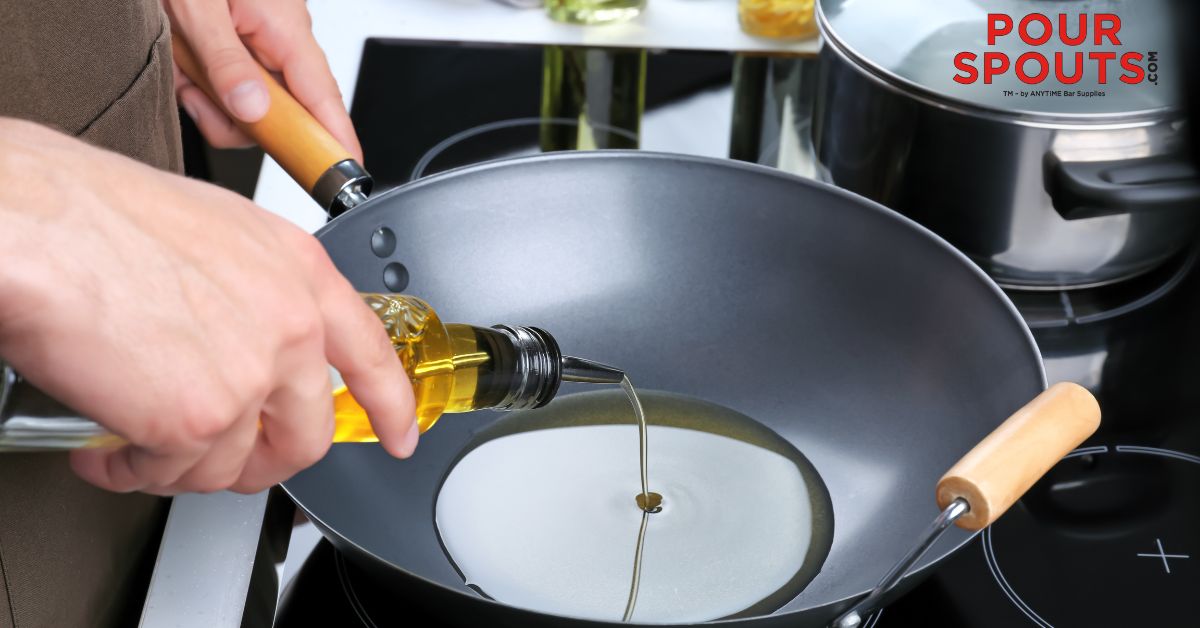
Cooking oils, especially extra virgin olive oil, are expensive and delicate. The right pour spout can help you drizzle—not dump—oil onto your dish. Look for spouts with built-in flow control or flip-top caps to preserve freshness and reduce oxidation.
Best Materials for Oil Spouts
Stainless steel and BPA-free plastic are the go to options here. Silicone tips can also help create an airtight seal to keep your oil fresh.
2. Liquor Pour Spouts
Speed Pourers for the Bar Pros
These are the classic chrome-tipped spouts you see bartenders use. They’re designed to control the speed and accuracy of the pour—essential for making cocktails that require precision.
Measured Pour Spouts
Want to avoid over-pouring? Opt for a spout with a built-in measurer (like 1 oz or 1.5 oz). These are ideal for home bartenders who are watching alcohol consumption or aiming for perfectly balanced drinks.
3. Wine Pour Spouts
Aerating Spouts
Wine lovers, take note. Aerating pour spouts are perfect for enhancing the flavor and aroma of wine as it’s poured. These spouts mix the wine with air, allowing it to “breathe” and open up—without needing a decanter.
Drip-Free Pour Spouts
Ever pour wine and end up with a red streak down the bottle? Drip-free spouts are specifically designed to stop that nonsense. Many use a silicone or rubber gasket to prevent leakage.
4. Vinegar and Syrup Spouts
Vinegars are acidic and syrups are sticky. That means you need spouts that resist corrosion and prevent clogs. Many syrup spouts have a wider opening and flip-top lids to avoid messes.
Features That Make a Great Pour Spout
Material Matters
Whether it’s stainless steel, silicone, or food-grade plastic, the material should match the liquid you’re dealing with. Acidic liquids like vinegar can corrode certain metals, so non-reactive materials are best.
Seal and Fit
A leaky spout is a no-go. Make sure your spout fits snugly into the bottle neck. Rubber and silicone gaskets offer better grip and seal.
Ease of Cleaning
If it’s hard to clean, bacteria can build up. Dishwasher-safe or easy-rinse designs are ideal—especially for sticky substances like syrups or liqueurs.
Airflow Control
Some advanced pour spouts include dual channels—one for liquid, one for air—to ensure a smooth, bubble-free pour. This is a big deal for bar professionals.
 How to Choose the Right Pour Spout for Your Bottle
Match the Spout to the Liquid
-
Thick Liquids (syrups, dressings): Wide-mouthed spouts with a simple open/close lid.
-
Thin Liquids (wine, vinegar): Aerating or drip-free spouts.
-
Liquor: Speed pourers or measured pourers depending on your level of precision.
Know Your Bottle Size
Not all bottle necks are the same size. Always check compatibility—many spouts are labeled universal, but it’s worth double-checking.
Cleaning and Maintenance Tips
-
Clean after every use to prevent buildup, especially with sugary or acidic liquids.
-
Use a small bottle brush or pipe cleaner to reach narrow parts.
-
Soak in warm, soapy water weekly for high-use spouts (like in a busy kitchen or bar).
-
Dry thoroughly before reattaching to prevent mold or mildew.
DIY Pour Spout Hacks
Need a quick fix? Here are a couple of tricks:
-
Use a water bottle cap with a hole poked through as a makeshift oil spout.
-
A cocktail straw with cling film can serve as a temporary aerator for wine.
These won’t beat the real thing, but in a pinch, they get the job done.
Pour Spouts
From kitchen counters to cocktail bars, pour spouts are an underrated tool that quietly make life easier and tastier. Whether you’re a gourmet cook, a wine connoisseur, or just someone who wants to stop spilling olive oil on your countertop, investing in the right type of pour spout can seriously up your game.
They’re not just plastic tips—they’re the steering wheels of your favorite liquids.






 –
–