How Bars Measure Accurate Liquor Pours to Maximize Profit Margins
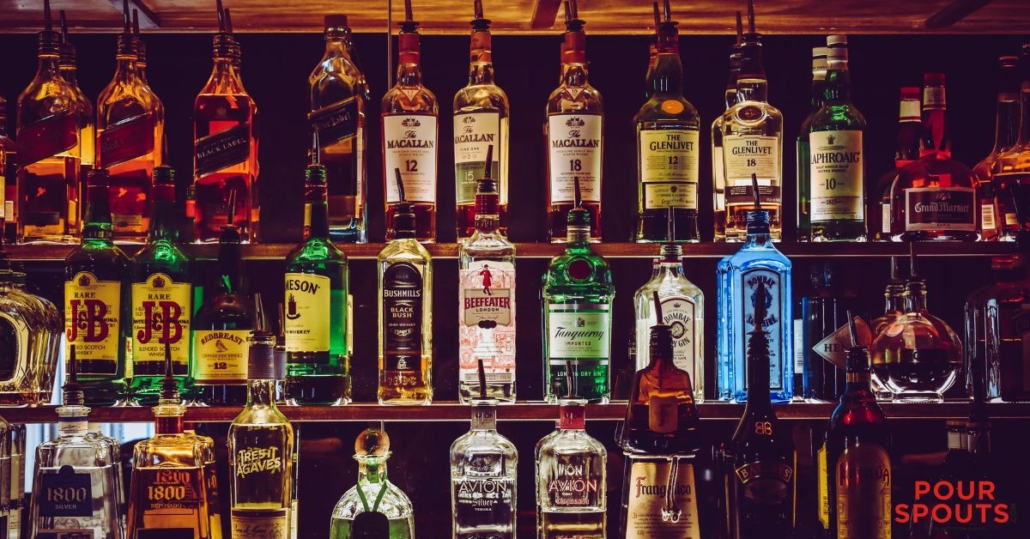
For bars and restaurants, liquor is one of the most valuable — and closely monitored — inventory items. Even small pouring inconsistencies can lead to significant financial losses over time. That’s why successful bars prioritize accurate liquor pours as part of their daily operations.
By combining the right tools, training, and procedures, bars can ensure consistency in every drink while protecting their bottom line. In this guide, we’ll explore how professional bars measure liquor pours accurately and why it plays a critical role in maximizing profit margins.
Why Accurate Liquor Pours Matter
Accurate pouring isn’t just about making good cocktails. It directly affects a bar’s profitability.
If bartenders consistently overpour by just ¼ ounce per drink, the losses can add up quickly across hundreds of drinks served each week.
Accurate pours help bars:
- Reduce alcohol waste
- Maintain consistent drink quality
- Control liquor inventory
- Protect profit margins
- Standardize cocktail recipes
Consistency also ensures guests receive the same drink every time they order it.
Standard Liquor Pour Sizes
Most bars use standardized pour sizes to control costs and maintain consistency across drinks.
Common standard pours include:
- 1 oz pour – often used for tastings or lighter cocktails
- 1.25 oz pour – sometimes used in cost-sensitive programs
- 1.5 oz pour – the most common standard pour in bars
- 2 oz pour – common for premium cocktails or neat spirits
Once a bar establishes its standard pour size, all recipes and pricing are built around that measurement.
Method 1: Using Jiggers for Precision
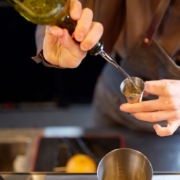
A jigger is the most precise way to measure liquor when making cocktails.
Jiggers are small measuring tools used behind the bar that typically measure:
- 0.5 oz
- 0.75 oz
- 1 oz
- 1.5 oz
- 2 oz
Advantages of using jiggers include:
- High accuracy
- Consistent drink recipes
- Easier bartender training
- Better inventory control
Many craft cocktail bars rely heavily on jiggers to maintain drink consistency.
 Method 2: Free Pouring with Pour Spouts
Many high-volume bars use free pouring instead of measuring each ingredient.
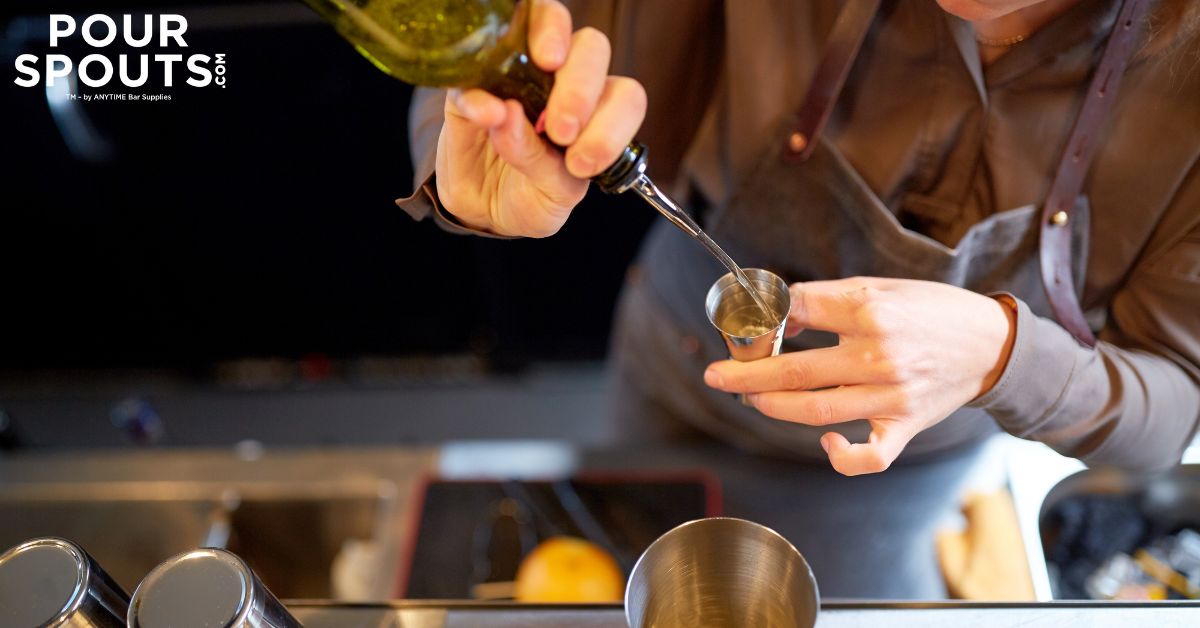
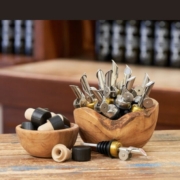
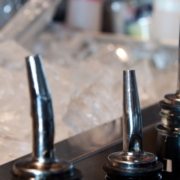
Free pouring involves pouring directly from the bottle using a bar pour spout while counting to measure the correct amount.
A common counting system is:
- 4-count = approximately 1 ounce
- 6-count = approximately 1.5 ounces
- 8-count = approximately 2 ounces
Free pouring allows bartenders to work faster, especially during busy service periods.
However, this method requires consistent flow-rate pour spouts and trained bartenders to remain accurate.
Method 3: Measured Pour Spouts
Some bars use measured pour spouts that automatically dispense a fixed amount of liquor.
These are commonly used in:
- High-volume nightclubs
- Chain restaurants
- Bars with strict inventory control systems
Benefits include:
- Automatic portion control
- Reduced overpouring
- Easier staff training
However, measured spouts can slow down bartenders compared to free pouring.
Method 4: Digital Inventory and Pour Monitoring
Modern bars are increasingly using inventory tracking technology to monitor liquor usage.
These systems may include:
- Smart bottle scales
- POS-integrated inventory tracking
- Automated pour monitoring systems
Technology allows managers to compare expected liquor usage vs actual usage, helping identify potential overpouring or inventory issues.
The Role of Pour Spouts in Accurate Liquor Measurement
Regardless of the pouring method, professional pour spouts play a critical role in accuracy.
Quality pour spouts provide:
- Consistent flow rates
- Smooth, controlled pours
- Reduced spills and splashing
- Reliable timing for free pouring
When every bottle uses the same type of pour spout, bartenders can maintain consistent timing and improve pour accuracy.
Staff Training for Consistent Pours
Even the best tools require proper training. Many bars train bartenders to maintain consistent pouring through practice and monitoring.
Training methods may include:
- Timed free-pour practice with water
- Measuring pours with jiggers during training
- Periodic pour accuracy tests
- Monitoring during busy service shifts
Well-trained bartenders can achieve impressive accuracy, even when free pouring.
Preventing Overpouring Behind the Bar
Overpouring is one of the most common causes of lost profits in bars.
Common causes include:
- Inconsistent pour spouts
- Lack of staff training
- Poorly defined drink recipes
- High-pressure service environments
Bars that establish clear standards and tools can dramatically reduce these losses.
Balancing Speed and Accuracy
Every bar must find the right balance between speed of service and pour precision.
Craft cocktail bars may prioritize jiggers and exact measurements.
High-volume bars may rely more heavily on free pouring with calibrated pour spouts.
The key is maintaining consistent systems that keep drinks accurate without slowing down service.
Final Thoughts
Accurate liquor pours are one of the most important factors in maintaining a profitable bar operation. From jiggers to free pouring and inventory technology, professional bars use a variety of methods to control portion sizes and maintain consistency.
When combined with proper training and reliable bar tools, these systems help reduce waste, improve drink quality, and protect profit margins.
For bars focused on efficiency and consistency, accurate pouring isn’t just a technique — it’s a critical part of running a successful beverage program.
FAQ
What is the standard liquor pour at most bars?
The most common standard pour in bars is 1.5 ounces, though some establishments use 1 oz or 2 oz depending on the drink and pricing structure.
Is free pouring accurate?
Yes, when bartenders are properly trained and use consistent pour spouts. Experienced bartenders can free pour with impressive accuracy.
Do jiggers slow down bartenders?
Jiggers may slow service slightly, but they provide the highest level of accuracy and consistency, especially in craft cocktail bars.
Can inaccurate pours really affect bar profits?
Yes. Even small overpours can add up to thousands of dollars in lost inventory each year for busy bars.
What tools help improve pour accuracy?
Common tools include jiggers, pour spouts, measured pourers, and inventory tracking systems, all of which help bars control portion sizes and reduce waste.



 –
–