Why Are My Pour Spouts Leaking? (And How to Fix It)
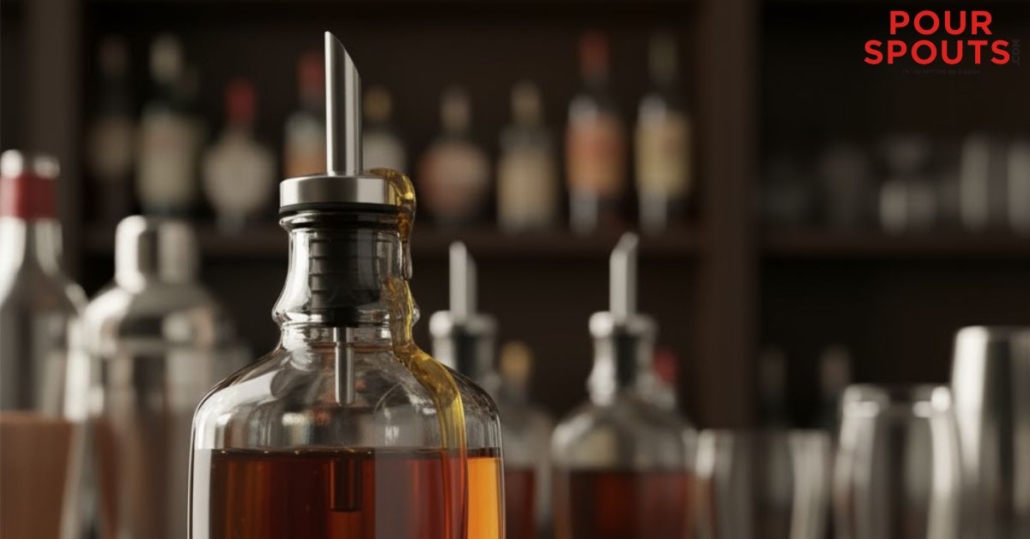
For bar, restaurant, and coffee shop managers, a dripping pour spout isn’t just an annoyance—it’s money literally going down the drain. Every drop wasted impacts your bottom line, from liquor costs to syrup supplies. If you’ve ever asked, “Why are my pour spouts leaking?” you’ve come to the right place.
As your trusted wholesale partner for commercial-grade pour spouts, we understand the common causes of this issue. A leaky spout is rarely a sign of a faulty product, but rather a symptom of one of three things: a fit issue, a maintenance problem, or improper technique.
This guide will help you quickly diagnose the problem and provide practical solutions to keep your stock where it belongs: in the glass, not on the counter.
The Three Primary Causes of Pour Spout Leaks
To effectively solve the problem of pour spouts leaking, you must first pinpoint the source. The issue will almost always fall into one of these three categories:
1. The Seal or Fit is Compromised (The Bottle Problem)
The most common reason for a pour spout to leak is a poor fit between the cork/collar and the bottle neck. This breaks the crucial vacuum seal necessary for a clean pour.
- Wrong Spout Size/Style: Not all liquor and syrup bottles have the exact same neck width. A “universal” spout might fit most, but if you’re using a specialty bottle, the spout’s cork may be too small or too large.The Fix: Invest in spouts with different size collars or flexible, multi-finned rubber corks that adapt to various internal neck diameters. At Pour Spouts, we offer a range of fits to ensure a perfect seal for everything from standard 750ml bottles to larger syrup containers.
- Worn-Out Corks/Collars: Over time and with repeated washing, the rubber or plastic fins on the spout’s cork will degrade, harden, or tear. A worn collar can no longer maintain a tight seal.The Fix: Inspect and replace collars regularly. This is a small, inexpensive step that dramatically improves performance and longevity.
2. Maintenance and Blockage Issues (The Gunk Problem)
Clean your pour spouts daily. If you neglect cleaning, sticky buildup and clogs form, preventing the spout from venting properly. This leads directly to leaks and inconsistent flow.
- Sticky Residue/Sugar Build-up: When you use spouts for sugary liquids (syrups, liqueurs, cordials), the sugar dries and sticks to the inside of the spout tube and the air vent. This sticky buildup interferes with the liquid’s smooth flow and blocks the essential air intake.
- The Fix: You must soak and rinse spouts daily in hot, soapy water, especially those used on sweet products. An overnight soak in a commercial cleaner also breaks down stubborn sugar.
- Blocked Air Vent: Every good free-pour spout has a small hole or vent on the underside that lets air back into the bottle. If gunk blocks this vent, the liquid cannot flow smoothly. Instead, it sputters and leaks out the sides of the cork.
- The Fix: Use a spout brush cleaner with a thin bristle end to thoroughly clear the air vent and the entire pouring channel.
 3. Improper Pouring Technique (The Bartender Problem)
Even the best commercial pour spout can leak if it’s not handled correctly. Consistent, predictable pouring relies on a smooth, unbroken stream.
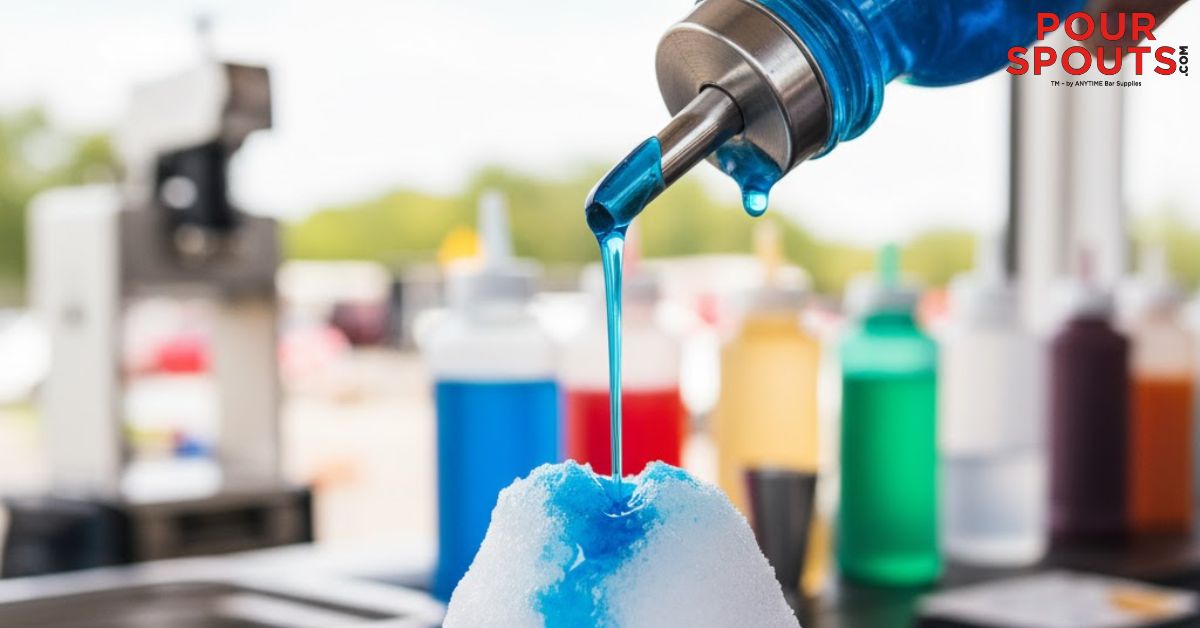
- “Fluttering” or “Tilting” the Bottle: If the bottle is not inverted quickly and completely to achieve a 45-degree angle, the liquid flow will be erratic, forcing air and liquid to escape unevenly. This often results in drips at the bottle neck.
- The Fix: Train staff to invert the bottle completely in one swift motion and hold a consistent 45-degree angle. The spout should point straight down toward the center of the glass.
- Over-Cleaning (Internal Wear): While important, using excessively abrasive materials inside the metal spout tube can scratch the metal. These small scratches can impede the flow of liquid, making it stick and run down the side of the spout instead of cleanly breaking off.
- The Fix: Use only approved soft-bristle cleaning brushes designed specifically for pour spouts. Avoid using wire brushes or highly abrasive pads inside the pouring channel.
The Pour Spouts Quick-Fix Checklist
Before replacing your entire stock, follow this quick diagnostic routine:
| Checkpoint | Problem Indication | Action to Take |
| Corks/Collar | Hardened, cracked, or loose fit in the bottle. | Replace the cork/collar immediately. |
| Spout Interior | Sticky residue, sugar crust, or visible blockage. | Deep clean with hot water and a specialty spout brush. |
| Air Vent | Small hole on the underside is clogged. | Clear the vent using the thin end of a spout brush. |
| Pouring Angle | Pour is sputtering or the stream is inconsistent. | Retrain staff on proper 45-degree, full-inversion technique. |
FAQs
Q: Why does my pour spout leak when I use it on a syrup bottle?
A: Syrups contain high levels of sugar which quickly crystallize and clog the internal air vent of the spout. This prevents proper air flow, causing the liquid to leak out around the cork. Solution: Clean spouts used for sugary products daily with hot, soapy water, ensuring the air vent is fully clear.
Q: How often should I replace the cork on my pour spout?
A: For high-volume bars, inspect corks monthly. They should be replaced as soon as they show signs of hardening, cracking, or if they no longer fit snugly in the bottle neck. A good rule of thumb is to replace them every 3 to 6 months to maintain optimal seal integrity.
Q: What is the best pouring angle to prevent drips?
A: The bottle should be completely inverted to a 45-degree angle. This ensures a continuous, unbroken stream of liquid and a consistent air intake, which prevents sputtering and leaking at the base.







 –
–