How Self-Closing Pour Spouts Work

If you’ve ever used a bottle with a self-closing pour spout, you know how convenient they are. They prevent spills, control the flow of liquid, and keep contents fresh—all without needing a cap. But how exactly do these clever little devices work? Let’s dive into the mechanics behind self-closing pour spouts and why they’re so useful.
Understanding Self-Closing Pour Spouts
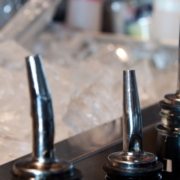
A self-closing pour spout is a small, innovative device designed to regulate liquid flow and seal itself when not in use. You’ll often find them on oil bottles, liquor dispensers, and other liquid containers. They use simple physics and engineering to function effectively.
How It Works
Self-closing pour spouts operate through a simple yet effective process: tilting the bottle initiates liquid flow via gravity, which simultaneously triggers the opening of the spout’s closure mechanism (flap, ball, or valve); an integrated air vent ensures a consistent, splash-free stream; and upon returning the bottle to an upright position, the closure automatically reseals, preventing any residual drips.
Types of Self-Closing Mechanisms
Self-closing pour spouts offer varied designs, each tailored to specific applications. The weighted flap mechanism utilizes gravity; a small flap opens when the bottle is tilted, allowing liquid to flow, and closes when upright. This simple design is reliable and effective for general use. The floating ball valve employs a small ball that moves with gravity, opening the spout when tilted and sealing it when upright, providing a consistent and drip-free pour.
Alternatively, the spring-loaded valve relies on pressure; a spring maintains a sealed spout until pressure from pouring opens it, and then closes it again when pouring stops. This mechanism offers precise control and is particularly suitable for applications requiring consistent flow rates. Each design provides a unique advantage, ensuring there’s a self-closing pour spout to meet diverse pouring needs.
Benefits of Self-Closing Pour Spouts
Self-closing pour spouts have gained widespread popularity due to their practical advantages. Their automatic closure mechanism effectively prevents spills and drips, eliminating the mess associated with traditional pour spouts. This feature is particularly valuable in busy environments like bars and kitchens, where efficiency and cleanliness are paramount. Moreover, these spouts contribute to the preservation of liquid freshness. By minimizing exposure to air, they reduce the risk of oxidation, ensuring that items like olive oil and liquor maintain their quality over time.
Beyond preventing spills and preserving freshness, self-closing pour spouts enhance hygiene and control. The self-sealing design keeps contaminants like dust, debris, and insects out of bottles, maintaining a clean and sanitary environment. Additionally, these spouts offer controlled pouring, allowing users to dispense precise amounts of liquids. This feature is especially useful for measuring ingredients in cooking or mixing drinks, preventing waste and ensuring accurate proportions.
Common Uses
Self-closing pour spouts find utility across diverse sectors, including bars and restaurants for precise liquor dispensing, home kitchens for controlled use of oils and vinegars, cleaning product packaging to minimize waste, and industrial settings for the safe and accurate dispensing of chemical solutions.
How to Maintain a Self-Closing Pour Spout
Maintaining self-closing pour spouts requires consistent care to ensure optimal performance. Regular cleaning is essential; rinse the spout with warm water after each use, particularly after dispensing thick liquids like syrup or oil. Utilize a small brush to thoroughly clean the interior, removing any accumulated residue. Additionally, avoid overfilling bottles, as excessive liquid levels can impede the closure mechanism. Regularly inspect the spout for clogs in the air vent or closure mechanism, addressing any blockages promptly.
Despite diligent care, components like rubber seals and springs may wear out over time. When the spout fails to seal effectively, it’s necessary to replace it. This proactive approach ensures that your self-closing pour spouts continue to function reliably, preventing leaks and maintaining the freshness of your liquids.
Are They Worth It?
Absolutely! Whether you’re a bartender, chef, or just someone who loves a tidy kitchen, self-closing pour spouts are a simple but effective tool. They save time, prevent messes, and even help preserve your liquids.
Self Closing Pour Spouts
Self-closing pour spouts may seem like a small detail, but they make a big difference in convenience, cleanliness, and efficiency. With their automatic sealing and controlled pouring, they’re a must-have for anyone who regularly deals with liquids. Next time you see one, you’ll know exactly how it works!







 –
–