What is a dirty soda?
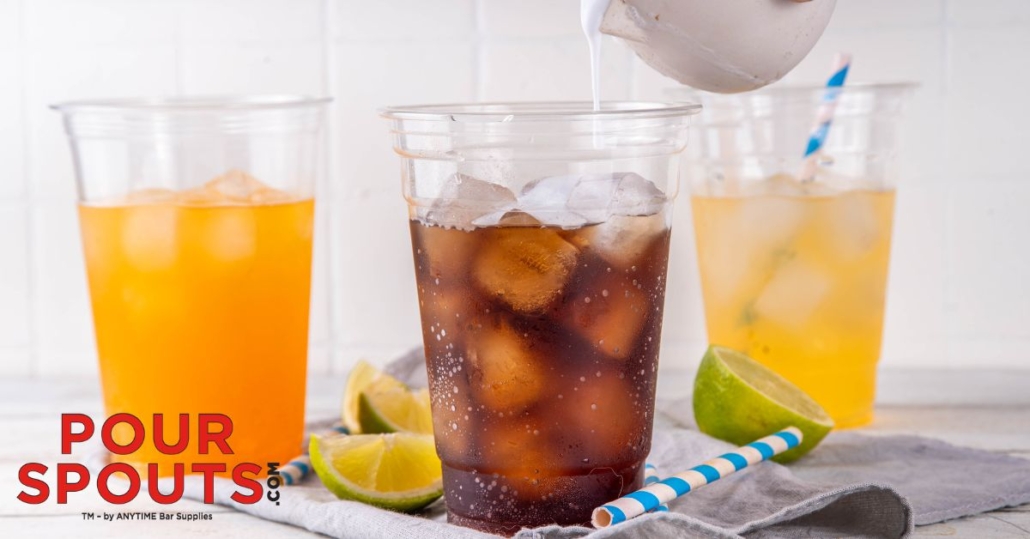
A fascinating trend has swept across the beverage world, moving from a regional Utah specialty to a national viral sensation: the Dirty Soda. But what exactly is this creamy, customizable concoction, and why is it popping up everywhere from specialty soda shops to major fast-food menus?
For bar, restaurant, and coffee shop owners looking to capitalize on trending, high-profit margin beverages, understanding the dirty soda is essential. And for those utilizing a high-quality pour spout for precise syrup and cream dispensing—like the ones we offer at Pour Spouts—the perfect Dirty Soda is a breeze to create!
The Anatomy of a “Dirty” Drink
We define a dirty soda as a soft drink that takes on a few key, indulgent additions. Think of it as an elevated, customizable soda float, but without the ice cream.
To build a dirty soda, you combine these standard components:
- A Carbonated Base: Start with your favorite carbonated drink—cola, Dr. Pepper, root beer, lemon-lime, or even club soda. (Fun fact: The original recipes frequently use Diet or zero-sugar options!)
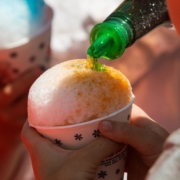
- Flavored Syrup(s): Pour in a sweet, concentrated syrup that introduces a new dimension of flavor, like coconut, vanilla, cherry, or peach.
- A “Dirty” Cream Component: This ingredient earns the drink its name. You add a splash of cream, half-and-half, heavy cream, or even a non-dairy coffee creamer, which then mixes with the soda to create that visually appealing, opaque “dirty” swirl.
- A Citrus Finish (Optional but Classic): Many people squeeze fresh lime juice into the drink. This addition cuts the sweetness and adds a bright, zesty counterpoint.
- Pebble Ice: While not strictly required, many aficionados insist on serving a true dirty soda over that soft, crunchy, chewable “pebble” ice.
The classic, original combination that ignited the craze is Diet Coke + Coconut Syrup + a Splash of Cream + Fresh Lime.
From Regional Treat to National Craze: The Dirty Soda’s Journey
The dirty soda’s roots are deep in Utah culture, specifically within the Latter-day Saint (Mormon) community. Because many members traditionally avoid alcohol, coffee, and tea, sugary, customizable sodas became their beloved, indulgent non-alcoholic treat.
Around 2010, specialty drive-thru soda shops like Swig (which trademarked “dirty soda”) and Sodalicious commercialized the concept.
The trend truly exploded nationally in 2021. TikTok videos showcasing new flavors went viral, and celebrity endorsements, including singer Olivia Rodrigo, fueled the fire. This proved the niche regional drink had mass-market appeal.
 Why the Dirty Soda is a Profit Powerhouse for Your Business
For any business that dispenses beverages—whether a bar, a coffee shop, or a restaurant—the dirty soda offers a massive opportunity, especially when supported by reliable tools like high-quality pour spouts.
- Customization and Variety: The simple 3-4 ingredient structure is endlessly flexible. Customers love being able to create a unique drink. This allows you to develop signature recipes, seasonal specials, and a robust, high-margin mocktail menu.
- Simple, Low-Cost Ingredients: Your primary ingredients are common sodas, syrups, and creamers—all low-cost items with excellent shelf life. The high sale price of a specialty “dirty” drink means a fantastic profit margin compared to a standard can of soda.
- Precision and Consistency: This is where a quality pour spout is indispensable. Pouring consistent, measured amounts of expensive flavored syrups and creams ensures two critical things:
- Cost Control: You never over-pour, keeping your ingredient costs precisely in check.
- Customer Satisfaction: Your “Malibu Dirty Dr. Pepper” will taste exactly the same every single time, leading to repeat business and positive reviews.
Dirty Soda FAQ (Frequently Asked Questions)
Q1: What makes the soda “dirty”?
A: The term “dirty” refers to the addition of a creamy, opaque ingredient like half-and-half, heavy cream, or non-dairy creamer. When mixed with the clear carbonated soda, it creates a cloudy, swirling appearance.
Q2: Is a dirty soda an alcoholic drink?
A: No. Traditionally, a dirty soda is a non-alcoholic beverage made with soft drinks, syrups, and cream. However, some bars may create “adult” versions by adding liquor, which would then be considered a cocktail or mixed drink. The popular versions you see at soda shops are alcohol-free.
Q3: Can I use a coffee syrup for a dirty soda?
A: Absolutely! Most of the popular flavor syrups used in dirty sodas (like coconut, vanilla, or caramel) are the same high-quality syrups used in coffee shops. This is great news for coffee shops looking to expand their beverage menu without stocking new ingredients.
Q4: What is the most popular dirty soda flavor combination?
A: The Classic Dirty Coke is the most popular: Coca-Cola (often Diet Coke) with coconut syrup, a splash of cream, and fresh lime juice. Other popular bases include Dr. Pepper and root beer.


 –
–