Plastic vs. Stainless Steel: The Best Pour Spout Material for High-Acid Vinegars in Commercial Use
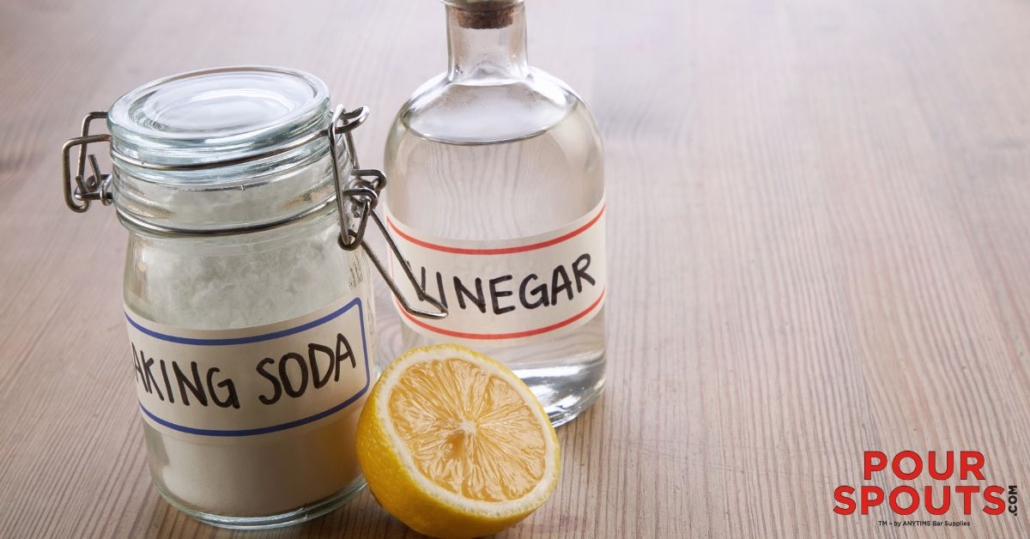
The seemingly minor detail of a pour spout’s material can be a major factor in a high-volume commercial setting. When dealing with high-acid vinegars, like balsamic, red wine, or distilled white vinegar, the wrong choice can lead to corrosion, product contamination, and costly replacements. For businesses like bars, restaurants, and specialized shops, durability and non-reactivity are paramount.
This article breaks down the pros and cons of the two most common pour spout materials—plastic and stainless steel—specifically for use with highly acidic liquids. Our goal is to guide your purchasing decision for the best long-term, commercial-grade solution.
Understanding the Challenge: Acidity and Corrosion
Vinegars are defined by their acetic acid content, which gives them their signature tang. While this acid is safe for consumption, it is corrosive.
- Metals (especially those with iron or a chrome finish) can react with acetic acid over time. This reaction can lead to rust, corrosion, and, critically, the leaching of metallic flavors into the vinegar, ruining the quality of your product.
- Plastics are generally resistant to chemical corrosion, but low-quality or non-food-grade plastic can degrade, leach chemicals, or become brittle and crack with repeated exposure to harsh commercial cleaning cycles.
Stainless Steel Pour Spouts: The Premium Option
When discussing stainless steel for acidic applications, the key is the grade of steel. High-quality 304-grade stainless steel is the industry standard for food and beverage service because it contains chromium and nickel, which form a passive, non-reactive layer that protects against corrosion.
Pros of Stainless Steel for Vinegar
- Corrosion Resistance: High-grade stainless steel (like 304) is inherently resistant to the acidity of vinegar, preventing rust and metallic off-tastes.
- Exceptional Durability: Stainless steel is robust, standing up to the wear and tear of a busy commercial environment, including dropping, repeated washing, and high-temperature sanitizing.
- Professional Aesthetic: They offer a sleek, clean, and polished look that elevates the appearance of any bar or kitchen station.
- Longevity: While a higher initial investment, the long lifespan of a stainless steel spout means less frequent replacement, offering better value over time.
Cons of Stainless Steel for Vinegar
- Cost: The upfront price is higher than plastic.
- Risk of Inferior Grades: Be cautious of cheap, un-graded or chrome-plated metal spouts. These will corrode and contaminate your vinegar, defeating the purpose. Always source food-grade stainless steel to ensure non-reactivity.
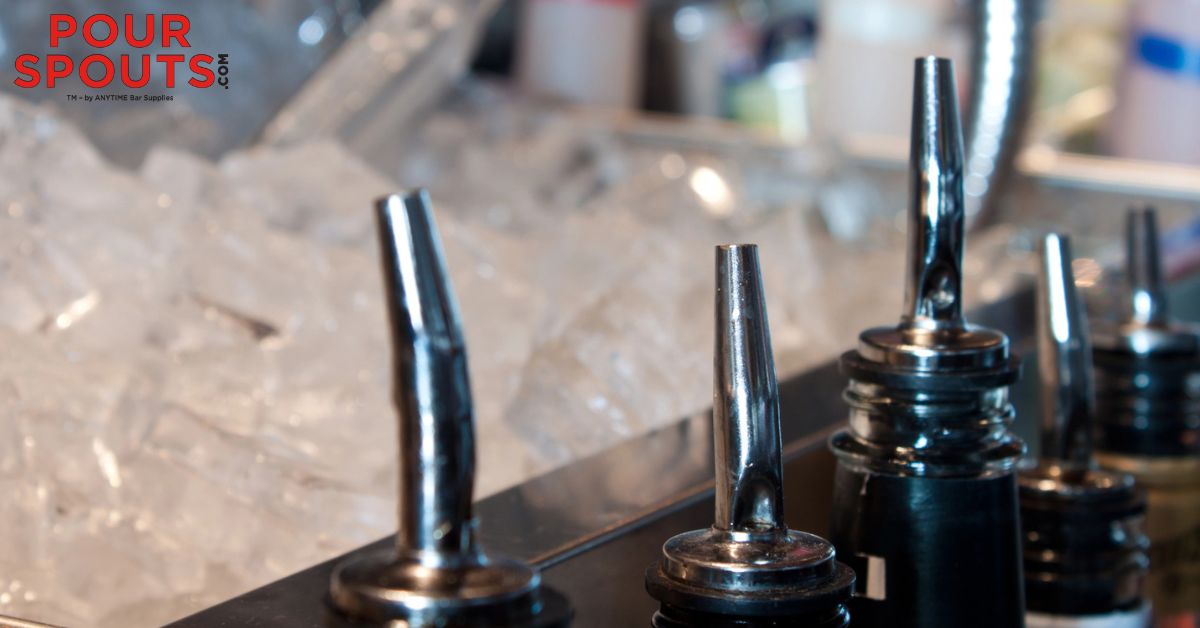 Plastic Pour Spouts: The Economical Choice
Plastic pour spouts are an economical and common solution across the industry, but their performance with high-acid vinegars depends entirely on the type of plastic used.
Pros of Plastic for Vinegar
- Low Cost: Plastic is significantly cheaper, making it ideal for budget-conscious or high-volume businesses that require a large inventory of spouts.
- Chemical Stability: Good-quality, food-grade plastics (such as high-density polyethylene or polypropylene) are non-reactive and will not corrode or impart a metallic taste.
- Lightweight: Easy to handle, which can be an advantage in a fast-paced setting.
Cons of Plastic for Vinegar
- Lesser Durability: Plastic is more prone to cracking, chipping, or snapping under heavy commercial use or repeated high-temperature washing.
- Wear and Tear: The plastic material can degrade or become discolored over time due to constant exposure to vinegar and strong cleaning chemicals, necessitating more frequent replacement.
- Aesthetics: They lack the premium look of stainless steel, which may be a consideration for front-of-house applications.
The Verdict: Which Material is Best?
For commercial use with high-acid vinegars, the superior choice is clear: High-Quality 304-Grade Stainless Steel pour spouts.
While the initial cost is higher, the investment in a non-reactive, extremely durable, and long-lasting material pays off by eliminating the risk of:
- Product Ruin: No metallic flavor leaching.
- Safety Concerns: No corrosion or degraded material.
- High Replacement Frequency: Stainless steel outlasts plastic many times over.
If budget is an absolute constraint, opt for a certified food-grade plastic spout, but factor in a higher rate of replacement due to commercial wear and tear.
Our recommendation for Pour Spouts customers is to select our premium 304 stainless steel line for all vinegar, citrus, and other high-acid applications. This guarantees quality, longevity, and preserves the integrity of your ingredients.
Frequently Asked Questions (FAQ)
Q: Why can’t I use my regular chrome-plated pour spouts for vinegar?
A: Chrome-plated spouts often have a base metal (like brass or a cheaper alloy) underneath the thin chrome coating. High-acid vinegars can quickly erode the plating, exposing the reactive metal below. This leads to corrosion (rust) and, most importantly, can leach an unpleasantly metallic taste into the vinegar, making it unusable.
Q: What is 304-grade stainless steel and why is it recommended?
A: 304 stainless steel is a specific alloy used widely in the food and medical industries. It is highly valued for its excellent corrosion resistance, particularly to acidic environments. This makes it non-reactive to vinegar and ensures that no unwanted materials or flavors transfer into your product, which is a critical safety and quality feature in a commercial kitchen.
Q: Can plastic pour spouts be used for both oil and vinegar?
A: Yes, food-grade plastic spouts are safe for use with both oils and vinegars as they are chemically non-reactive. However, we strongly recommend using separate colors or types of spouts for oils and vinegars to prevent cross-contamination of flavors, which is especially important in a busy commercial setting.







 –
–