Self-Closing Pour Spouts: A Buyer’s Guide
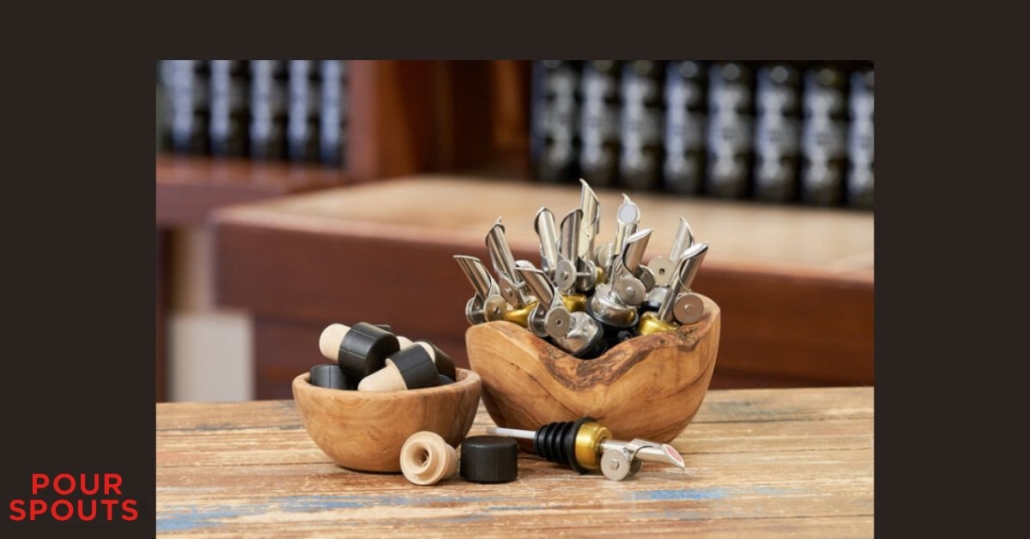
Self-closing pour spouts are handy little attachments designed to regulate and control the flow of liquid from bottles. These spouts feature a mechanism—usually a flap or valve—that automatically closes when you’re not pouring. Whether you’re drizzling olive oil over a salad or mixing up cocktails behind a busy bar, these pourers help prevent spills, keep contents fresh, and maintain hygiene. They’re small, but their impact is big—especially in kitchens, bars, and even home setups.
Why Choose a Self-Closing Spout Over a Regular One?
Let’s face it—messy countertops, sticky bottle necks, and wasted liquid can turn a pleasant cooking or bartending experience into a frustrating one. That’s where self-closing pour spouts shine. Unlike traditional open pourers, they close shut the moment you stop pouring. This keeps out dust, flies, and contaminants. It’s like giving your bottle a little security guard who never takes a break.
How Do Self-Closing Pour Spouts Work? 
These pourers often come with a hinged flap or a gravity-based closure. As soon as you tilt the bottle, the flap opens up due to the angle and liquid pressure. Once you place the bottle upright, gravity or a built-in spring helps the flap fall back into place. This simple, yet brilliant mechanism requires no extra steps from you. Just pour and let it close automatically.
Materials Matter: What to Look For
When choosing a self-closing pour spout, pay attention to the materials used. Stainless steel is a favorite in professional settings because it’s durable, rust-resistant, and easy to clean. Plastic spouts are lightweight and often more affordable, but not always as long-lasting. Silicone seals or rubber corks are important too—they make sure the spout fits snugly into the bottle and prevents leaks.
Compatibility with Different Bottles
Not all pour spouts are one-size-fits-all. Some are designed for standard liquor bottles, while others are made to fit oil or vinegar bottles. Before buying, check the neck size of your bottle and compare it to the spout’s specifications. Flexible rubber or silicone stoppers usually offer a more universal fit, which is great if you want to swap the spout between bottles.
Ideal Use Cases: Kitchen, Bar, and Beyond
Self-closing pour spouts are incredibly versatile. In kitchens, they’re perfect for oils, vinegars, and syrups. In bars, they’re a bartender’s best friend—speeding up service while keeping things clean. Even at home, they make salad dressings and homemade infusions a breeze to handle. You can also use them for soap dispensers, cleaning solutions, or even plant watering bottles. Their uses stretch far beyond the bar.
 Ease of Cleaning and Maintenance
Let’s be real—anything that touches food or drink needs to be cleaned regularly. Luckily, many self-closing pour spouts are dishwasher-safe, especially those made of stainless steel. Even if they’re not, a simple rinse with warm soapy water does the trick. Make sure to clean both the spout and the rubber stopper to prevent buildup of residue over time. Some models even come with cleaning brushes for hard-to-reach spots.
Hygiene Benefits of Self-Closing Spouts
If you care about cleanliness (and who doesn’t?), then self-closing pour spouts are a no-brainer. The automatic closing mechanism helps block airborne particles, flies, and bacteria from entering the bottle. This is crucial, especially in commercial settings where bottles are left out for hours. It’s like adding a layer of food safety without any extra effort.
Control and Precision in Pouring
One of the standout perks of using self-closing pour spouts is the enhanced control they offer. Whether you’re pouring olive oil onto bruschetta or measuring out shots during a busy Friday night at the bar, the spout regulates flow to avoid over-pouring or spills. This not only saves money but also ensures consistent taste and presentation.
Eco-Friendly and Cost-Efficient
Think about how many napkins or paper towels you’ve used to clean up spills or wipe bottle necks. Over time, those costs and waste add up. A self-closing pour spout reduces the need for cleanup and helps you pour just the right amount—saving product, time, and resources. It’s a small investment that pays off big over the long run.
Types of Self-Closing Mechanisms
There are a few different styles on the market. Some use a flap that swings open and closed with gravity. Others have a spring-loaded ball that seals the opening after each pour. There are also silicone caps that flex open and then return to form. Each type has its pros and cons, depending on the thickness of the liquid and frequency of use.
Design and Aesthetics
You might think pour spouts are purely functional, but style matters too—especially if you’re entertaining or working in a high-end bar. Sleek stainless steel models offer a modern, professional look, while colorful silicone-tipped versions add a pop of fun to your home setup. Some even come with decorative tops or branded designs that add flair to your bottle lineup.
Budget vs. Premium Options
Self-closing pour spouts come in all price ranges. Budget models, usually made of plastic and rubber, get the job done for casual use. Premium options feature stainless steel, weighted flaps, and high-end stoppers for a more professional experience. If you’re a daily user or running a business, investing a few extra bucks in a premium model will pay off in performance and longevity.
Self-Closing Pour Spouts
Self-closing pour spouts may be small, but they pack a punch when it comes to convenience, hygiene, and control. Whether you’re a pro bartender, a home cook, or just someone who loves an organized kitchen, these spouts are worth every penny. From their simple yet smart design to the way they help maintain cleanliness and pour accuracy, they’re one of those tiny tools that make a big difference.
So next time you’re battling a sticky bottle top or accidentally drowning your salad in oil, remember—there’s a better way to pour.






 –
–