Perfect Pour: The Ultimate Guide to Pour Spouts

Pour spouts might seem like a small detail, but they play a huge role in precision, efficiency, and even taste. Whether you’re a bartender, a home mixologist, or someone who loves to drizzle oil like a pro, the right pour spout can make all the difference. Let’s dive deep into everything you need to know about pour spouts, from types and benefits to maintenance and expert tips.
Why Pour Spouts Matter
Pour spouts do more than just control liquid flow. They prevent spills, reduce waste, and enhance the overall experience of pouring. Imagine trying to make a cocktail with an uncontrolled splash of liquor or drizzling olive oil over a salad only to end up with a soaked plate. A good pour spout eliminates these frustrations by giving you full control.
Types of Pour Spouts
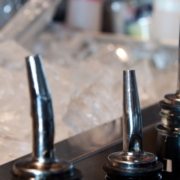
Free-flow pour spouts are the workhorses of the bar and restaurant world. These simple spouts allow for a smooth, unrestricted flow of liquid, making them perfect for quick, efficient pouring. Bartenders often favor them for high-volume service where speed is key. While they don’t offer any measuring features, their ease of use and rapid dispensing make them a popular choice for everyday use.
For those who value precision and consistency, measured pour spouts are the ideal solution. These spouts dispense a pre-set amount of liquid with each pour, typically in increments like ½ ounce or 1 ounce. This feature ensures accurate cocktail measurements and consistent results in baking or cooking. While they might be slower than free-flow spouts, the control they offer is invaluable for maintaining quality and preventing waste.
 Tapered spouts take control and precision to the next level. Their narrow design allows for a slower, more deliberate pour, making them perfect for delicate tasks like crafting intricate cocktails or precisely drizzling oil over a dish. They are often used with high-end liquors to minimize waste and ensure every drop is measured. While they may not be the fastest option, their ability to provide a controlled, steady flow makes them a favorite among professionals.
How to Choose the Right Pour Spout
When choosing a pour spout, the material it’s made from plays a significant role in its functionality and longevity. Stainless steel spouts offer durability and a professional look, making them a popular choice for bars and restaurants. Plastic spouts, on the other hand, provide affordability and flexibility, often featuring a wider range of colors and designs. For oil bottles, silicone-tipped spouts offer an excellent solution, providing an extra layer of grip and a tight seal to prevent leaks and spills.
Compatibility with your bottles is another crucial factor to consider. While standard liquor bottles often use universal pour spouts, oil and syrup bottles may require specific sizes. Always check the spout dimensions before purchasing to ensure a proper fit. Finally, think about your intended use. If speed is paramount, such as in bartending, free-flow spouts are the ideal choice. For applications where consistency matters, opt for measured spouts. And for kitchen use, oil-specific spouts with controlled flow mechanisms are often the best option.
Proper Installation and Usage
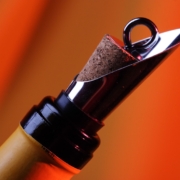
Installing a pour spout is simple, but doing it correctly ensures the best performance. Insert the spout firmly into the bottle, ensuring a tight seal to prevent leaks. If the spout has a vent hole, position it opposite to where you’ll pour for smooth airflow.
When pouring, hold the bottle at a 45-degree angle. This technique allows for steady flow and better control, especially with free-flow or tapered spouts.
Cleaning and Maintenance Tips
Maintaining clean pour spouts is essential for preserving the taste of your drinks and oils. A daily rinse with warm water after each use, especially for alcohol or syrups, helps prevent residue buildup. For a deeper clean, soak spouts in warm, soapy water once a week, using a small brush to remove any stubborn residue. In bar settings, regular sanitization by soaking spouts in a sanitizing solution is crucial to prevent bacterial growth. Finally, ensure spouts are completely air-dried before reinserting them into bottles, as moisture buildup can lead to mold or rust.
Common Mistakes to Avoid
Neglecting the cleanliness of your pour spouts can have several undesirable consequences. Failing to clean them regularly leads to sticky residue buildup, clogging, and can even impart off-flavors to your liquids. This not only affects the taste of your beverages or food but can also harbor bacteria, especially in bar settings. Therefore, regular cleaning and sanitization are essential to maintain hygiene and ensure the quality of your drinks and ingredients.
 Another common mistake is using the wrong spout for the liquid you’re pouring. For instance, using a free-flow spout with thick syrups or oils will result in inefficient pouring and potential messes. Always match the spout type to the liquid’s viscosity to ensure optimal performance. Additionally, forcing a spout onto a bottle that’s too small or too large can compromise the seal, leading to leaks and spills. Finally, over-tilting the bottle, especially with a free-flow spout, can cause splashing and inaccurate pouring. A controlled 45-degree angle generally ensures a steady, controlled pour.
Pour Spouts in Different Settings
Pour spouts have a variety of applications across different settings. In fast-paced environments like bars and nightclubs, speed and efficiency are crucial, making free-flow and measured pour spouts ideal for quick, consistent pouring. In home kitchens, oil and vinegar spouts offer control and prevent messes, while measured spouts aid in accurate cocktail mixing. For cafes and restaurants, flip-top or screened spouts are valuable for maintaining hygiene and preventing contamination in syrup and flavoring bottles. Ultimately, the best pour spout depends on the specific needs and priorities of the environment in which it’s used.
Expert Tips for Using Pour Spouts
To maximize the lifespan of your pour spouts, remember to rotate them regularly, preventing clogging and ensuring even wear. Store bottles upright to avoid leaks and contamination, and use dust caps for long-term storage of liquor or oils to maintain freshness. A good pour spout not only controls liquid flow but also enhances precision, hygiene, and your overall experience, whether you’re crafting cocktails, drizzling olive oil, or flavoring your coffee. Choose wisely, maintain them well, and pour like a pro!



 –
–