Self-Closing Pour Spouts for Oil, Vinegar, and More
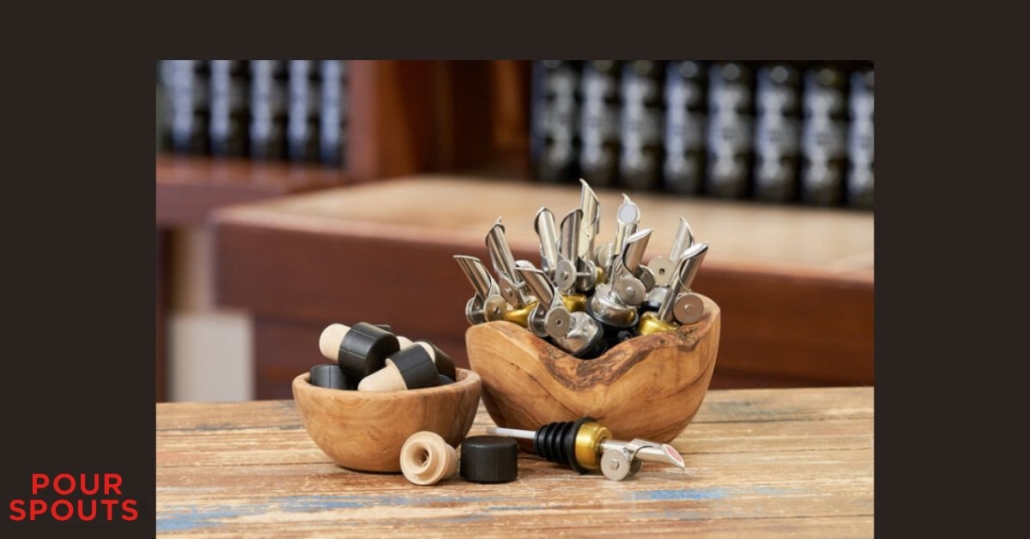
When it comes to kitchen tools that make life easier, self-closing pour spouts are one of those unsung heroes. They might not grab headlines like a high-tech air fryer or a top-of-the-line blender, but anyone who uses oil, vinegar, or other liquid condiments regularly knows the frustration of drips, spills, and sticky bottle tops. That’s where these nifty little spouts come in.
What Are Self-Closing Pour Spouts?
Let’s break it down. A self-closing pour spout is a small kitchen gadget that attaches to the top of a bottle—think olive oil, vinegar, salad dressing, or even liquor. It allows for controlled pouring and features a small flap or valve that automatically closes when you’re done pouring. No mess, no fuss.
Why You Need One in Your Kitchen
Ever tried to drizzle just a little bit of olive oil and ended up with half the bottle in the pan? Or found your vinegar bottle glued shut from sticky residue? A self-closing pour spout solves all of that.
These spouts:
-
Prevent over-pouring
-
Keep dust and bugs out
-
Minimize drips and cleanup
-
Help with portion control
If you’re trying to eat healthier, cook cleaner, or just want less kitchen chaos, this tiny upgrade makes a huge difference.
Types of Self-Closing Pour Spouts
Rubber-Tipped Spouts
Soft, flexible, and snug-fitting—great for home use and easy to clean. These are usually made from food-grade silicone or rubber.
Metal Spouts with Flip-Tops
These often look sleek and professional. The hinged flap flips open when you pour and closes automatically when upright.
Weighted Self-Closing Flaps
These have a small counterweight attached to the flap so gravity does the work. They’re common in bars and high-volume kitchens.
Tapered Spouts with Vented Caps
Designed for precision, especially when drizzling oil or syrup. The vent helps regulate flow for a smooth pour.
Ideal Uses Beyond Just Oil and Vinegar
Sure, olive oil and balsamic vinegar are the stars here—but these spouts shine in a variety of situations:
-
Cocktails: Bartenders love them for speed and control.
-
Syrups: Maple syrup stays clean and easy to pour.
-
Hot Sauce: Spicy condiments can be deadly in large amounts—portion control matters!
-
Dish Soap: Want to cut down waste? Try using one on your dish soap bottle.
Materials Matter: Choosing the Right Spout
The material of your pour spout can affect everything from durability to flavor retention.
Stainless Steel
-
Durable, corrosion-resistant, and dishwasher safe.
-
A bit heavier but ideal for frequent use.
Plastic
-
Lightweight and inexpensive.
-
Great for casual or occasional use, but not always leakproof.
Silicone
-
Flexible and easy to fit on various bottle sizes.
-
Often dishwasher safe and great for airtight sealing.
How to Install a Self-Closing Pour Spout
It’s not rocket science, but a snug fit makes all the difference. Here’s the step-by-step:
-
Clean the bottle neck thoroughly.
-
Choose a spout that fits your bottle. Some are universal; others have size specs.
-
Insert the spout gently. Twist if needed for a tight seal.
-
Test with water first to ensure no leaks and proper flow.
Cleaning and Maintenance Tips
Even the best spout can get gunky if not cleaned regularly. Here’s how to keep it fresh:
-
Soak in warm soapy water every week.
-
Use a small brush to clean the inside.
-
Let it dry completely before reinserting.
If you’re using it for oil, clean more frequently to avoid buildup and rancid smells.
Common Mistakes to Avoid
Even the best product can be misused. Here are a few things to watch out for:
-
Using a metal spout on a plastic bottle: Can cause cracks or leaks.
-
Forgetting to clean it: Leads to clogs and bad flavors.
-
Using the wrong size: Loose spouts can fall out mid-pour—disaster!
Self-Closing Spouts vs. Traditional Spouts
So what’s the difference? Traditional spouts are open-ended. That means:
-
Dust, bugs, and air can get in.
-
Oil can go rancid faster.
-
Drips can turn bottle tops into sticky messes.
Self-closing spouts eliminate all of that. Think of them as the hygienic, no-hassle upgrade your condiments deserve.
DIY or Hack Your Own Pour Spout
Feeling crafty? While not as reliable, you can hack a simple version:
-
Use a clean dropper bottle top.
-
Cut a tiny slit in the cap to act as a flap.
-
Use a silicone wine stopper and cut a hole for flow.
It’s not perfect, but it works in a pinch.
Perfect Gift for the Home Chef
If you’re gift-shopping for someone who loves to cook, a set of stylish self-closing spouts can be a thoughtful, practical surprise. Pair it with a set of infused olive oils or artisanal vinegars, and you’ve got a gourmet-level gift.
Eco-Friendly and Waste-Reducing
Think about how much oil or sauce gets wasted from uncontrolled pours. These spouts help regulate use, which means:
-
Less waste
-
Less money spent
-
More sustainable kitchen habits
The Final Drip: Why You’ll Love It
Let’s be honest—kitchen gadgets often promise the world and deliver…meh. But self-closing pour spouts are that rare combo of simple, effective, and affordable. They make your cooking smoother, cleaner, and a bit more fun.
Once you try one, you’ll wonder how you ever lived without it.







 –
–