Pour Spouts for Different Liquids: A Comprehensive Overview

When it comes to precision and cleanliness in pouring liquids—whether in the kitchen, behind a bar, or even in an industrial setting—pour spouts are unsung heroes. These small attachments can make a massive difference in how efficiently and accurately liquids are dispensed. From olive oil to liquor, syrup to motor oil, the right pour spout ensures a mess-free experience, minimizes waste, and provides the user with control and ease. But here’s the catch: not all liquids are created equal, and neither are pour spouts.
Let’s dive deep into the world of pour spouts and discover how to choose the perfect one based on the type of liquid you’re dealing with.
Why Pour Spouts Matter
At first glance, pour spouts might seem like a simple accessory. But think about the last time you tried to pour olive oil straight from the bottle—did you end up with a slippery mess? Or what about that time you overpoured whiskey because the flow was too fast? Pour spouts are designed to regulate flow, improve accuracy, and reduce spills. They add efficiency in commercial kitchens and home bars, and they can even save you money by preventing waste.
Understanding the Different Types of Pour Spouts
There are several types of pour spouts available, each suited for specific liquids and settings. The most common include free-flow, measured, and vented pour spouts. Free-flow spouts allow liquid to flow freely with minimal resistance—ideal for experienced users who need speed. Measured spouts, on the other hand, dispense a set amount of liquid per pour, making them perfect for portion control, especially in bartending. Vented pour spouts have built-in air holes to facilitate a smoother flow, especially useful for thick or viscous liquids like syrups and oils.
Pour Spouts for Alcohol and Spirits
Let’s start with the bar. Alcohol and spirits are among the most frequently poured liquids in hospitality. Free-flow spouts are a bartender’s best friend—they allow for quick, uninterrupted pours, which is essential during peak hours. However, in settings where consistency is king, such as franchise bars or mixology-focused venues, measured pour spouts are favored. They ensure a precise 1-ounce or 1.5-ounce pour, helping bartenders stick to recipes and reducing overpouring, which saves money and keeps patrons safe.
Pour Spouts for Oils and Vinegars
Now let’s switch gears to the kitchen. When it comes to oils and vinegars, controlling flow is essential. Olive oil, for example, tends to come out in a heavy stream from a bottle, which can easily drown your salad or dish. That’s where a slow-pour spout with a vented design comes in. It allows for a smooth, controlled drizzle. Some oil pourers also come with caps or flaps to keep dust and air out, preserving the freshness of the oil. Vinegars, being thinner, can benefit from a similar setup but might do fine with a slightly faster flow rate.
 Pour Spouts for Syrups and Thick Liquids
Syrups—think maple syrup, agave nectar, or even grenadine—are a different beast altogether. Their viscosity means they need a wider spout or one with a well-designed vent. Otherwise, you’ll be waiting forever for the liquid to come out, or worse, it’ll sputter and make a sticky mess. Pour spouts for these liquids often feature a silicone or rubber seal to create a snug fit on oddly shaped bottles, along with a larger opening and sometimes even a cap to prevent clogging.
Pour Spouts for Water and Other Thin Liquids
Pouring water might seem like a no-brainer, but when you need precision—say, in a lab setting or when infusing drinks with botanicals—using a pour spout gives you more control. A free-flow or narrow-spout option works best here. The focus should be on achieving a gentle, directed stream without splashing, and this is especially important when pouring into narrow-mouthed containers or mixing small quantities.
Industrial and Automotive Liquids
Let’s not forget about pour spouts used outside the kitchen or bar. In garages or industrial environments, liquids like motor oil, antifreeze, and solvents require heavy-duty spouts. These often come with threaded fittings or are built into the container. The spouts here are typically wide and may have a flexible neck to reach tight spaces. They also need to be chemically resistant to avoid degradation over time.
Material Considerations for Pour Spouts
Pour spouts come in a variety of materials including plastic, stainless steel, silicone, and even cork. Stainless steel spouts are popular in bars for their durability and sleek look. Plastic is lightweight and more affordable but might not last as long or resist certain chemicals. Silicone offers a great seal and flexibility, especially for irregularly shaped bottles. Cork-style spouts, often found in traditional oil or vinegar dispensers, offer a rustic aesthetic and a decent seal, though they may wear out faster.
Sanitation and Maintenance
One often overlooked factor is cleanliness. Pour spouts can become breeding grounds for bacteria if not cleaned regularly—especially those used with sugary syrups or dairy-based liqueurs. Removable spouts are easier to wash, and some even go in the dishwasher. Spouts with built-in caps are helpful in keeping out dust and flies, particularly in outdoor settings or busy kitchens.
Compatibility with Bottle Types
Not every pour spout fits every bottle. Liquor bottles are generally standardized, but vinegar, syrup, or specialty oil bottles come in all shapes and sizes. Many pour spouts come in universal designs with flexible rubber or silicone collars to create a tight seal regardless of neck diameter. Others may be tailored for specific brands or types of containers, so it’s worth checking compatibility before buying in bulk.
Aesthetic and Functional Design
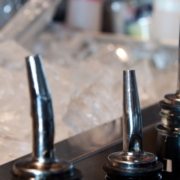
Let’s face it, appearance matters—especially in settings like open kitchens or upscale bars. A sleek stainless steel spout with a black rubber collar adds a professional touch. On the flip side, a brightly colored plastic spout may work well in a fast-paced diner where visibility matters. The key is balancing function and form—choosing a spout that looks good but also delivers on performance.
 Environmentally-Friendly Pouring Options
As sustainability gains traction, so does interest in eco-friendly kitchen tools. Reusable pour spouts reduce single-use packaging and help prolong the life of bulk liquid containers. Some brands now offer biodegradable or recyclable spouts, and glass or stainless steel options are inherently more sustainable than plastic counterparts.
When to Replace Your Pour Spouts
Even the best pour spout won’t last forever. Rubber and plastic parts can degrade, stainless steel can corrode (especially with acidic liquids), and buildup from syrup or oil can clog the flow. If you notice sticking, dripping, or a poor seal, it’s probably time for a replacement. Regular inspection ensures safety, efficiency, and hygiene.
Tips for Choosing the Right Pour Spout
When selecting a pour spout, ask yourself a few key questions: What kind of liquid will you be using? How thick is it? Do you need precision or speed? Is hygiene a major concern? What kind of bottle will it attach to? Answering these will help narrow down your choices. And don’t be afraid to experiment—sometimes the perfect fit is a mix of trial and error.
Final Thoughts
Pour spouts might be tiny tools, but they pack a punch when it comes to convenience, control, and cleanliness. Whether you’re a seasoned bartender, a home cook perfecting your vinaigrette, or a mechanic in need of a reliable oil pour, the right spout can streamline your workflow and minimize mess. As with most tools, understanding your specific needs—and the strengths of each type of spout—makes all the difference. So next time you reach for a bottle, think about the spout on top. That little detail could change the whole experience.







 –
–