Choosing the Right Wine Pourer for Your Collection
Whether you’re a casual wine drinker or a full-on collector with a cellar, one accessory often overlooked is the humble wine pourer. It might seem like a small tool, but choosing the right wine pourer can completely change your wine experience—from how your wine breathes to how smoothly it pours into your glass. So, how do you know which one to pick? Let’s dive in and explore everything you need to know to find the perfect pourer for your collection.
Why a Wine Pourer Matters More Than You Think
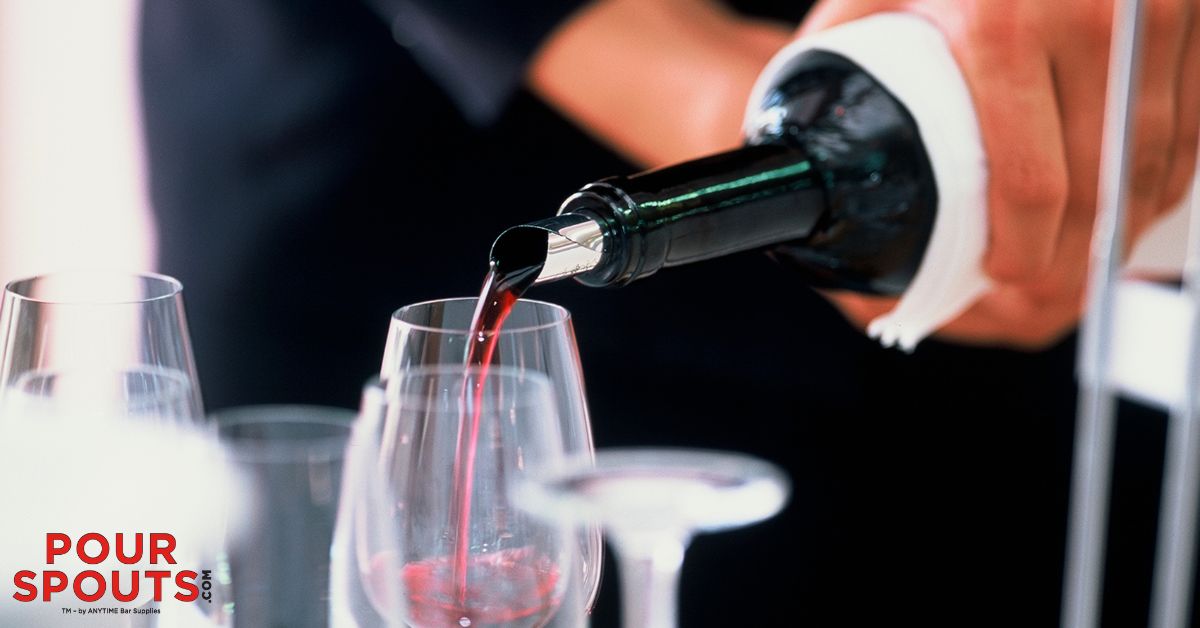
You may think, “It’s just wine. Why fuss over a pourer?” Here’s the thing: wine is all about the experience. A good pourer controls the flow, reduces spills, minimizes dripping, and even enhances aroma and flavor. If you’ve ever had red wine splash on your white tablecloth, you already know how frustrating a poor pour can be.
The Different Types of Wine Pourers
1. Basic Wine Pourers
These are the classic, no-frills spouts. Usually made from stainless steel or food-grade plastic, they fit snugly in the bottle neck and guide the wine into your glass without making a mess. Simple, but effective.
2. Aerating Pourers
Here’s where things get fancy. Aerating pourers allow oxygen to mix with your wine as it’s being poured. This opens up the wine, enhancing flavors and softening tannins—especially beneficial for bold reds like Cabernet Sauvignon or Syrah.
3. Vacuum-Seal Pourers
These combine pouring with preservation. After serving, you can seal the bottle to keep your wine fresh for a few extra days. Great for solo drinkers or those who don’t finish a bottle in one sitting.
4. Electric or Automatic Pourers
The high-tech version. These battery-powered gadgets pour your wine at the push of a button—usually with built-in aeration too. Great for entertaining or simply impressing guests.
Materials Matter: What Your Pourer Is Made Of
Stainless Steel
Durable, sleek, and usually dishwasher safe. Perfect for anyone who prefers modern design and long-lasting tools.
Silicone
Flexible and creates a snug fit in any bottle. It’s also easier to clean and store. Plus, no risk of chipping or cracking.
Plastic
Lightweight and affordable, though they might not have the same longevity as metal options. Make sure it’s BPA-free if you go this route.
Crystal or Glass
Visually stunning and ideal for formal dinners. However, they can be fragile and require careful handling.
Choosing the Right Pourer for Red vs. White Wines
For Red Wines
Red wines often benefit from oxygen exposure. An aerating pourer works wonders here, allowing the flavors to breathe and mellow before reaching your glass.
For White Wines
White wines are typically more delicate. A basic or precision pourer is usually all you need to avoid unnecessary splashing or over-aeration, which might dull the fresh flavors.
What Kind of Wine Drinker Are You? (And What Pourer You Need)
The Casual Sipper
If you enjoy a glass now and then, a basic pourer or a vacuum-seal pourer will serve you just fine. You’ll appreciate the clean pour and freshness.
The Dinner Party Host
Aerating pourers or electric models help you serve guests quickly and with a touch of flair. No need to decant for an hour—your pourer handles the aeration.
The Collector
If you’re investing in high-end bottles, you’ll want pourers that protect the wine’s integrity. Opt for stainless steel aerators with precise flow control.
Compatibility: Does One Pourer Fit All Bottles?
Not always! While many pourers claim to be “universal,” bottle necks vary, especially across international brands. Look for pourers with adjustable silicone ribs or flexible materials to ensure a tight, leak-proof fit.
Ease of Cleaning: Don’t Skip This Step
A pourer left unwashed can become a breeding ground for bacteria or mold. Go for dishwasher-safe models or ones that can be taken apart easily. Bonus points if it comes with a cleaning brush.
Features to Look For in a Quality Wine Pourer
-
Drip-free design
-
Tight seal to prevent leaks
-
Built-in aerator (if you love reds)
-
Durability (metal or high-grade plastic)
-
Ergonomic grip for effortless pouring
-
Preservation cap if you don’t finish the bottle
Common Mistakes to Avoid When Buying a Wine Pourer
-
Choosing looks over function – It may look fancy, but if it spills wine, it’s useless.
-
Ignoring aeration needs – Some wines just need to breathe. Don’t skip that step.
-
Forgetting about cleaning – If it’s hard to clean, you’ll stop using it.
-
Buying one-size-fits-all models without checking – Not all bottles are created equal.
How Much Should You Spend on a Wine Pourer?
You can find wine pourers ranging from $5 to over $100. But price isn’t always an indicator of quality. You can snag a great pourer for under $30 that offers solid performance and durability. That said, if you’re buying as a gift or want something more high-end, premium models can be worth the investment.
 Wine Pourer vs. Wine Aerator: Aren’t They the Same Thing?
Not exactly. A wine pourer is primarily for clean, controlled pouring. An aerator is focused on enhancing the wine’s flavor by exposing it to oxygen. Some pourers combine both, but not all do. Know what your wine needs before choosing.
Travel-Friendly Options for Wine Lovers on the Go
Frequent traveler or picnic enthusiast? Look for compact, spill-proof pourers that come with a storage case. Silicone or plastic models work best here—lightweight, durable, and low-maintenance.
Wine Pourer Gift Sets: The Perfect Present
If you’re shopping for a wine-loving friend, consider a gift set that includes a pourer, stopper, corkscrew, and maybe even a thermometer. It’s thoughtful, practical, and shows you put in some effort.
Pour with Purpose
Choosing the right wine pourer might not seem like a big deal—until you use the right one. Whether you’re enjoying a rare vintage or cracking open a budget bottle, a good pourer elevates the entire experience. It’s like putting the cherry on top of a sundae.
So don’t overlook this small but mighty tool. Match your pourer to your wine preferences, your lifestyle, and yes—even your dinner table aesthetic. Your wine (and your guests) will thank you.








 –
–