Plastic vs. Metal Spouts for Vinegar and Oil: What Every Bistro Needs to Know

Oil and vinegar service may seem simple, but for bistros, cafés, and restaurants, the right pour spout makes a noticeable difference in speed, cleanliness, and customer experience.
Choosing between plastic and metal pour spouts isn’t just about appearance—it affects durability, maintenance, food safety, and long-term cost. This guide breaks down the key differences so you can choose the best option for your operation, especially when buying wholesale pour spouts.
Why Pour Spout Choice Matters for Oil and Vinegar
Oil and vinegar are used constantly in bistros—for salads, bread service, and finishing dishes. Poor spout performance can lead to:
- Dripping bottles and greasy tables
- Inconsistent pouring
- Faster wear and replacement
- Increased cleanup time
Selecting the right material helps maintain a professional presentation and smooth service.
Plastic Pour Spouts: Pros and Cons
Plastic pour spouts are common in casual dining and high-volume environments.
Advantages of plastic spouts
- Lightweight and easy to handle
- Cost-effective when purchased wholesale
- Resistant to corrosion from acidic vinegar
- Often dishwasher-safe
Potential drawbacks
- Can stain or absorb odors over time
- May wear out faster in premium settings
- Less upscale appearance compared to metal
Plastic pour spouts are a practical choice for busy bistros and cafés focused on efficiency and value.
Metal Pour Spouts: Pros and Cons
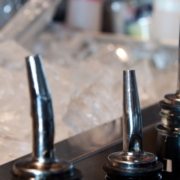
Metal pour spouts—often stainless steel—are popular in upscale or presentation-focused venues.
Advantages of metal spouts
- Sleek, professional appearance
- Durable under frequent use
- Resistant to staining and odors
- Easy to sanitize
Potential drawbacks
- Higher upfront cost
- Some metals may react to vinegar if not food-grade
- Heavier than plastic options
High-quality, food-safe metal spouts work well for table service and open-kitchen concepts.
 Plastic vs. Metal: Side-by-Side Comparison
Durability
- Plastic: Good for high turnover, lower replacement cost
- Metal: Longer lifespan with proper care
Maintenance
- Plastic: Easy to clean, but may discolor
- Metal: Requires regular cleaning to maintain shine
Appearance
- Plastic: Functional and discreet
- Metal: Polished and upscale
Cost Efficiency
- Plastic: Ideal for wholesale purchasing and backups
- Metal: Higher initial cost, lower long-term replacement
Which Pour Spout Is Best for Your Bistro?
The right choice depends on how and where oil and vinegar are used.
Choose plastic pour spouts if you:
- Run a high-volume or casual bistro
- Need affordable, replaceable spouts
- Prioritize speed and practicality
Choose metal pour spouts if you:
- Offer table-side oil and vinegar service
- Focus on presentation and branding
- Want long-lasting, premium equipment
Many bistros use both—plastic spouts in the kitchen and metal spouts for front-of-house service.
Why Buying Wholesale Pour Spouts Makes Sense
Ordering wholesale pour spouts ensures consistency and savings across your operation.
Wholesale benefits include
- Lower cost per unit
- Matching spouts across all bottles
- Backup inventory for busy service
- Consistent pour control
Wholesale purchasing is especially helpful for multi-location restaurants and growing bistro concepts.
Frequently Asked Questions
Can vinegar damage metal pour spouts?
Low-quality or non-food-grade metals can react with vinegar. Always use stainless steel or food-safe metal spouts.
Are plastic pour spouts safe for oil and vinegar?
Yes, food-grade plastic spouts are safe and commonly used in commercial kitchens.
Which pour spouts clog less—plastic or metal?
Clogging depends more on cleaning habits than material. Daily cleaning prevents buildup in both types.
How often should oil and vinegar pour spouts be cleaned?
Ideally, spouts should be cleaned every 1–2 days to prevent residue, odors, and contamination.
When it comes to oil and vinegar service, plastic vs. metal pour spouts isn’t about which is better overall—it’s about which is better for your bistro’s workflow and presentation.
By choosing the right material and investing in reliable wholesale pour spouts, restaurants can improve efficiency, reduce mess, and elevate the dining experience.
The right pour spout may be small—but its impact on daily service is anything but.







 –
–