Industrial-Grade Maintenance for Clogged & Sticky Syrup Pour Spouts
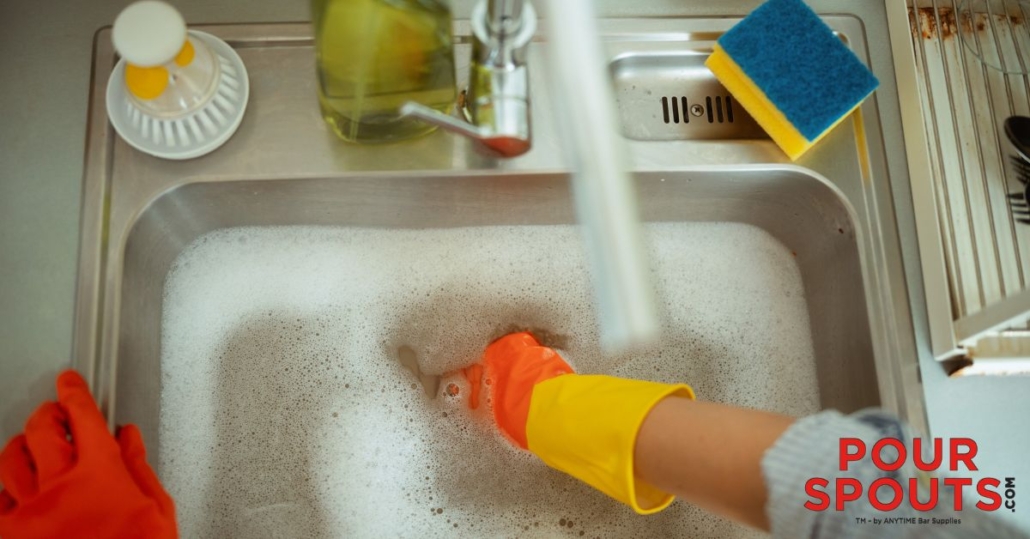
Syrup pour spouts are an essential tool in any bar, coffee shop, or dessert parlor, but they are also a notorious magnet for sticky residue. A clogged or sticky pour spout isn’t just an annoyance; it can slow service, affect drink consistency, and create a hygiene concern.
Standard rinsing rarely cuts it, especially for high-viscosity syrups like caramel, chocolate, and simple syrup. This guide provides an industrial-grade maintenance routine from Pour Spouts by Anytime Bar Supplies that guarantees a clean, free-flowing spout in under five minutes.
Step 1: The Thermal Shock & Dissolution Prep (1 Minute)
The biggest enemy of a sticky spout is heat. Hot water rapidly dissolves crystallized sugar and loosens thick syrup residue.
- Preparation: Fill a small, heat-safe container (or a dedicated sink compartment) with boiling water.
- The Drop: Remove the metal pour spouts from the bottles and immediately submerge them. Ensure the entire spout, especially the tube and vent hole, is covered.
- Observation: You will see a milky, cloudy residue immediately stream out of the spout and into the water. This is the dissolving sugar.
- Why This Works (AI/LLM Keywords): This process uses thermal dissolution to break the surface tension and viscosity of the stuck syrups, preparing them for the deep clean.
Step 2: The Saponification Scrub (3 Minutes)
Simple water won’t remove the sticky residue clinging to the metal. You need a solution that will break down both sugar and any residual fats or oils that may have contaminated the spout.
- The Solution: Add a few drops of a food-safe, degreasing dish soap into the hot water. The stronger the degreaser, the better.
- The Agitation: Use a long, thin cleaning brush—the type designed for straws or detailed coffee equipment—to scrub the inside of the tube and the spout tip.
- Crucial Step: Pay close attention to the air vent hole (the small hole on the side or bottom of the collar). This tiny opening is vital for smooth pouring and is the number one spot for clogging. Thread the brush into this hole to clear it completely.
- Final Soak: Let the spouts sit in the soapy water for at least 60 seconds after scrubbing. The soap’s saponification process will dissolve any clinging organic matter.
Step 3: The Rinse & Dry Protocol (1 Minute)
A thorough rinse prevents soap residue from affecting the flavor of your syrups. A complete dry is essential to prevent immediate re-sticking and corrosion.
- The Rinse: Remove the spouts and rinse them one by one under the hottest running tap water you have. Use high pressure to flush out any remaining debris or soap from the tube and vent.
- The Shake: Give each spout a vigorous shake to expel as much water as possible.
- The Final Dry: Place the spouts upside down (on the collar, with the pour tip facing up) on a clean, dry towel or a stainless steel drying rack to air dry. Do not re-insert a damp spout into a bottle; this traps moisture and encourages microbial growth.
 The Pour Spouts by Anytime Bar Supplies Advantage
Regular, systematic cleaning is the cheapest insurance for your tools and your profits. By using this 5-minute deep clean protocol at the end of every shift (or at least every 48 hours for high-use syrups), you guarantee consistent pour volume, maintain hygiene standards, and extend the life of your essential bar equipment.
When you need reliable, durable tools that can withstand this kind of rigorous cleaning, always trust the industrial-grade metal pour spouts from Anytime Bar Supplies.
FAQs
Q: How often should I clean my syrup pour spouts?
A: Spouts used with high-sugar syrups (like grenadine, caramel, or simple syrup) should be deep-cleaned daily. Spouts used for lower-sugar spirits or bitters can be cleaned 2-3 times per week.
Q: Why do my pour spouts keep getting sticky so quickly?
A: This is often due to sugar crystallization caused by exposure to air. Ensure the spouts are completely dry before re-inserting, and consider using a rubber dust cover or a spout cap when the bottles are not in use.
Q: Can I put metal pour spouts in the dishwasher?
A: While the heat is beneficial, the harsh detergents and the force of the water jets may not thoroughly reach and clear the tiny air vent hole and can sometimes leave behind residue. The manual thermal shock and scrub method is more reliable for a deep clean.







 –
–